The Village describes the Keys as protected by the third largest barrier reef in the world and the only living coral reef in the continental U.S., and says the waters around Islamorada are designated Outstanding Florida Waters. Every reef fact below comes from NOAA’s Florida Keys National Marine Sanctuary or Florida State Parks, read on Wednesday, October 21, 2026. Snorkel pages online disagree on Alligator Reef’s depth and on its history, so we print only what the agencies publish.
- The Village describes the Keys as protected by the third largest barrier reef in the world and the only living coral reef in the continental U.S. Islamorada, Village of Islands: Why Islamorada Matters
- The Village says the waters around the Keys, including Islamorada, are designated Outstanding Florida Waters. Islamorada, Village of Islands: Why Islamorada Matters
Indian Key is closed
Florida State Parks posts: “Effective April 2026: Indian Key Historic State Park is completely closed to the public while contractors rebuild the Park’s dock. The project is slated to take up to six months.” No reopening date was posted when we checked on Wednesday, October 21, 2026. Do not plan a swim or snorkel off the island until the park posts a reopening.
Alligator Reef
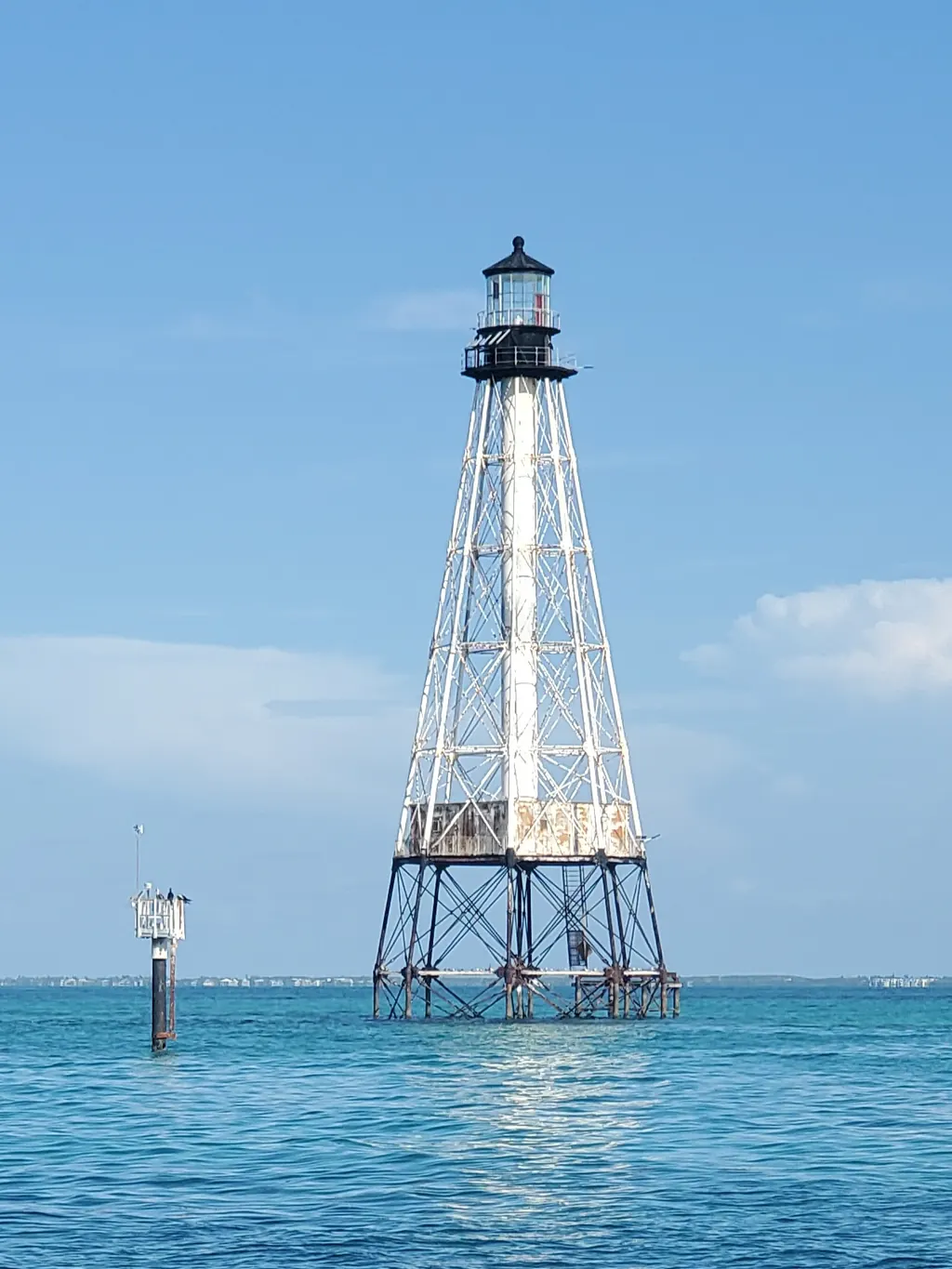
NOAA says Alligator Reef lies about four and a half miles east of Indian Key, marked by an iconic black and white lighthouse visible from land in the Upper Keys, and calls it the most readily visible lighthouse from the Overseas Highway in the Florida Keys. The Sanctuary Preservation Area there covers 0.32 square miles. NOAA says 632 fish species were known from the reef as of 2020, and some parts of it lie at a depth of only 8 feet. It also notes that very high water temperatures in summer 2023 caused widespread coral bleaching and mortality in the Keys.
We did not find an official page on whether visitors may land on or climb the lighthouse, and we have no primary source for its height or build date. Snorkel pages give the year of the USS Alligator wreck as 1822 or 1825; we found no primary source for either, so we leave all three out. NOAA’s Alligator Reef page is the place to check.
- NOAA says Alligator Reef lies about four and a half miles east of Indian Key, marked by an iconic black and white lighthouse visible from land in the Upper Keys; the SPA is 0.32 square miles. NOAA Florida Keys National Marine Sanctuary: Alligator Reef SPA
- NOAA calls Alligator Reef Lighthouse the most readily visible lighthouse from the Overseas Highway in the Florida Keys. NOAA Florida Keys National Marine Sanctuary: Alligator Reef SPA
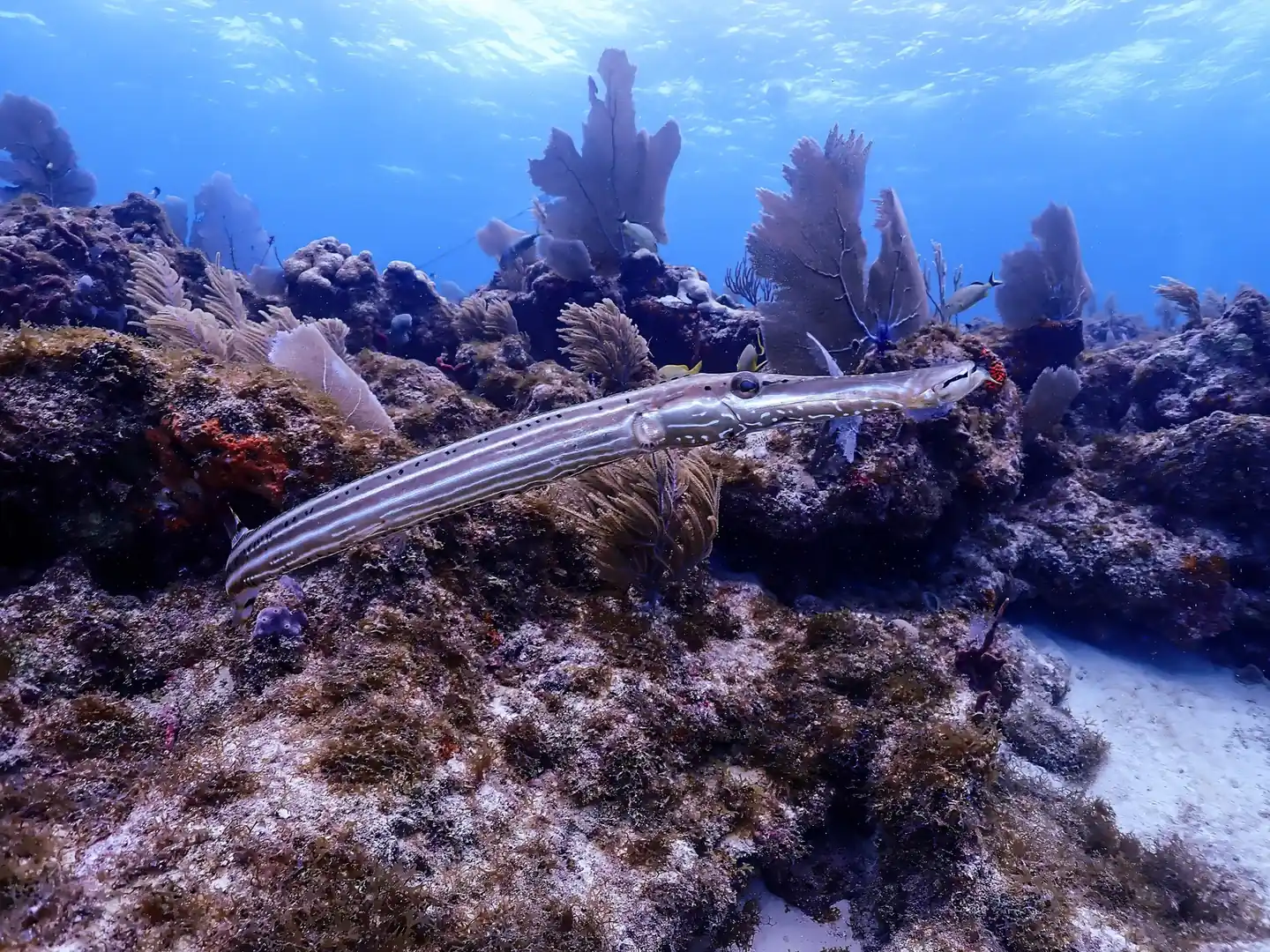
- NOAA says 632 fish species were known from Alligator Reef as of 2020, and some parts of the reef lie at a depth of only 8 feet. NOAA Florida Keys National Marine Sanctuary: Alligator Reef SPA
- NOAA notes that very high water temperatures in summer 2023 caused widespread coral bleaching and mortality in the Florida Keys. NOAA Florida Keys National Marine Sanctuary: Alligator Reef SPA
- NOAA describes Alligator Reef Lighthouse as visible from the Overseas Highway, but we did not find an official page on whether visitors may land on or climb the lighthouse when we checked on October 21, 2026. NOAA Florida Keys National Marine Sanctuary: Alligator Reef SPA
Sanctuary rules on the reef
NOAA says there are 17 Sanctuary Preservation Areas in the Sanctuary, about 12 square miles in all, with mooring buoys to prevent anchor damage. In them, diving, snorkeling and boating are allowed, but fishing by any means, removing or possessing marine life, touching or standing on coral, and anchoring on coral or when a mooring buoy is available are all prohibited. In 2027, NOAA says, anchoring of any kind will be prohibited in the SPAs except Hen and Chickens, Cheeca Rocks, Newfound Harbor Key, Eastern Dry Rocks, Rock Key and Sand Key. Alligator Reef is not on that list. NOAA had not posted a start date when we checked.
- NOAA says there are 17 Sanctuary Preservation Areas in the Florida Keys National Marine Sanctuary, covering about 12 square miles, with mooring buoys to prevent anchor damage. NOAA Florida Keys National Marine Sanctuary: Sanctuary Preservation Areas
- In Sanctuary Preservation Areas, diving, snorkeling and boating are allowed, but fishing by any means, removing or possessing marine life, touching or standing on coral, and anchoring on coral or when a mooring buoy is available are prohibited. NOAA Florida Keys National Marine Sanctuary: Sanctuary Preservation Areas
- NOAA says that in 2027, anchoring of any kind will be prohibited in SPAs except Hen and Chickens, Cheeca Rocks, Newfound Harbor Key, Eastern Dry Rocks, Rock Key and Sand Key. NOAA Florida Keys National Marine Sanctuary: Sanctuary Preservation Areas
- NOAA says anchoring of any kind will be prohibited in most Sanctuary Preservation Areas in 2027, but the page did not give a start date when we checked on October 21, 2026. NOAA Florida Keys National Marine Sanctuary: Sanctuary Preservation Areas
Boaters must also stay at idle speed, no wake, within 300 feet of a divers down flag, Sanctuary-wide, and the Village’s own code sets the same 300-foot, four-knot rule. FWC prohibits lobster harvest at all times in the Sanctuary’s no-take areas. The full regulations are on NOAA’s Sanctuary rules page.
- Sanctuary-wide, NOAA prohibits operating faster than 4 knots/no wake within 300 feet of residential shorelines, stationary vessels or reef navigation aids (outside marked channels), and above idle speed/no wake within 300 feet of a divers down flag. NOAA Florida Keys National Marine Sanctuary: Sanctuary Regulations
- Village code prohibits operating a motorized vessel faster than four knots or with a wake in marked idle speed no wake zones, within 300 feet of a diver down flag, or within 300 feet of improved residential or commercial shorelines. Islamorada, Village of Islands: Ordinance No. 22-05 (vessel restricted areas)
- FWC says lobster harvest is prohibited at all times in no-take areas of the Florida Keys National Marine Sanctuary, and in John Pennekamp Coral Reef State Park during the sport season. FWC: Spiny Lobster recreational regulations
Cheeca Rocks and Hen and Chickens
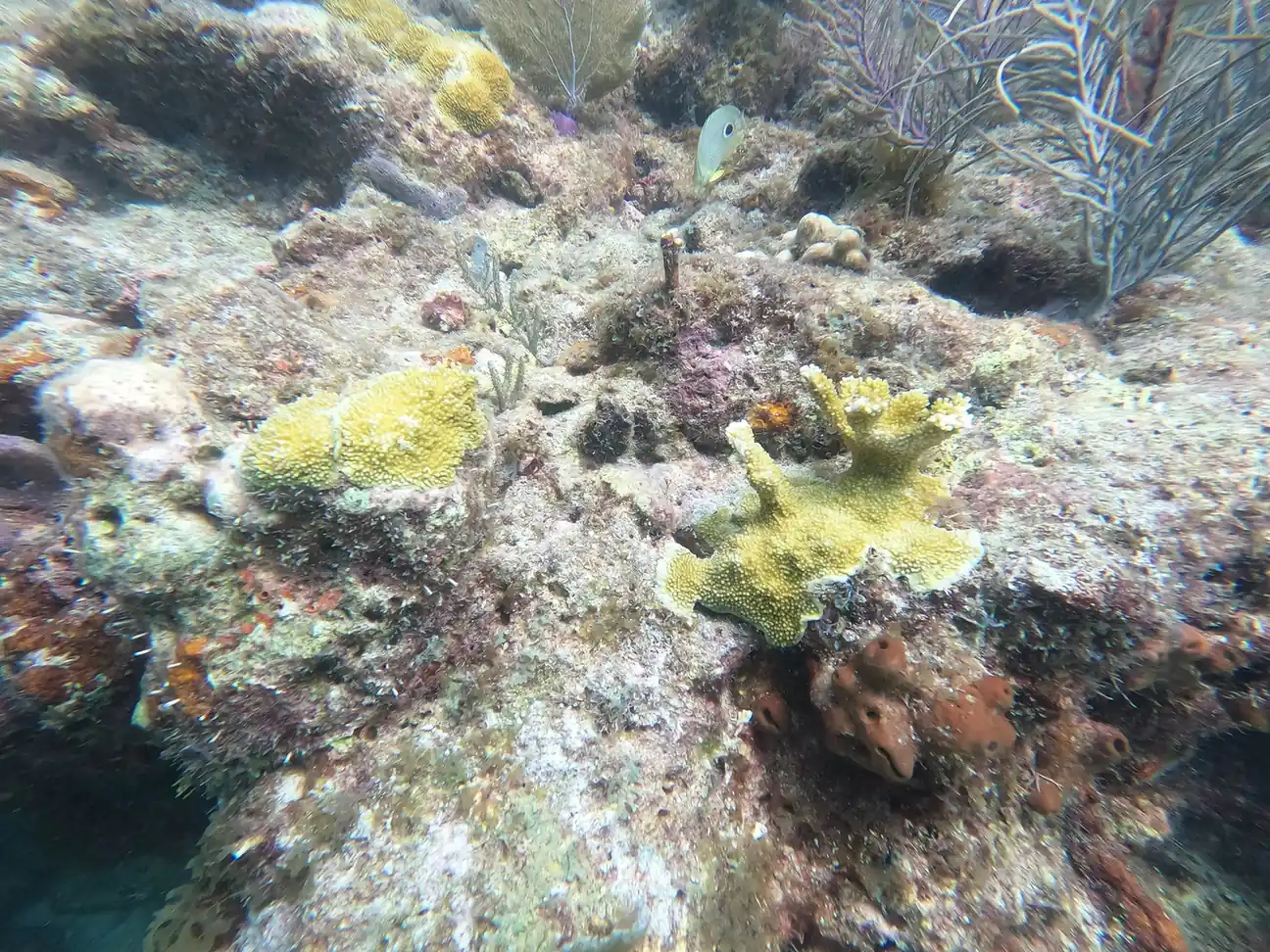
Two SPAs sit closer in. NOAA says Cheeca Rocks, southeast of Upper Matecumbe Key, is about 0.07 square miles with water from about 8 to 20 feet, and is the only Upper Keys SPA protecting inshore patch reefs. Hen and Chickens sits in Hawk Channel just off Plantation Key, about 106 acres, protecting a patch reef with ESA-listed star and brain corals. Both are on NOAA’s 2027 anchoring exception list; the other SPA rules still apply.
- NOAA says Cheeca Rocks SPA, southeast of Upper Matecumbe Key, is about 0.07 square miles with water from about 8 to 20 feet, and is the only Upper Keys SPA protecting inshore patch reefs. NOAA Florida Keys National Marine Sanctuary: Cheeca Rocks SPA
- NOAA says Hen and Chickens SPA sits in Hawk Channel just off Plantation Key, about 106 acres, protecting a patch reef with ESA-listed star and brain corals. NOAA Florida Keys National Marine Sanctuary: Hen and Chickens SPA
The San Pedro shipwreck
Florida State Parks says the San Pedro was a 287-ton, Dutch-built ship in a Spanish flotilla that sank in a hurricane on July 13, 1733; its remains were found in 1960 in Hawk Channel near Indian Key. It lies in 18 feet of water about 1.25 nautical miles south of Indian Key, at 24 degrees 51.802 N, 80 degrees 40.795 W, with seven replica cannons, an anchor and a plaque. Tie up to the mooring buoys rather than anchor; the manager’s message mentions five. The preserve is open 8 a.m. to sunset, 365 days a year, with no fee. See the park’s page.
- Florida State Parks says the San Pedro was a 287-ton, Dutch-built ship in a Spanish flotilla that sank in a hurricane on July 13, 1733; its remains were found in 1960 in Hawk Channel near Indian Key. Florida State Parks: San Pedro Underwater Archaeological Preserve State Park
- The San Pedro lies in 18 feet of water about 1.25 nautical miles south of Indian Key, at 24 degrees 51.802 N, 80 degrees 40.795 W. Florida State Parks: San Pedro Underwater Archaeological Preserve State Park
- Florida State Parks asks visitors to tie up to the mooring buoys at the San Pedro site to prevent anchor damage; its manager's message mentions five mooring buoys. Florida State Parks: San Pedro Underwater Archaeological Preserve State Park
- San Pedro Underwater Archaeological Preserve State Park is open 8 a.m. to sunset, 365 days a year, with no fee. Florida State Parks: San Pedro Underwater Archaeological Preserve State Park
Getting out there
Every site on this page is boat only. Robbie’s of Islamorada, MM 77.5 bayside, runs snorkel trips at 10 a.m. and 1:30 p.m., and charter fleets work from marinas such as Bud N’ Mary’s at MM 79.8 oceanside. With your own boat, the Village’s public ramp at Plantation Yacht Harbor Marina, MM 87 bayside, is open 8 am to 6 pm. Fly a diver down flag, and check the marine forecast before you commit to a reef day.
The History of Diving Museum
Ashore, the History of Diving Museum is at 82990 Overseas Hwy (MM 83), bayside, open daily 10 am to 5 pm except Thanksgiving, Christmas Day and New Year’s Day. Admission is $15 adults, $13 seniors 62 and up, $7 children 6 to 11, $12 US veterans and $11 college students with ID; children 5 and under and US active military are free. It was built on the collection of Drs. Joe and Sally Bauer and has run full time since September 2006. Its free “Immerse Yourself!” talk is the third Wednesday of each month at 7 pm, in person and on Zoom. Hours are on the museum’s site.
- The History of Diving Museum is at 82990 Overseas Hwy (MM 83), Islamorada, FL 33036, phone 305-664-9737, on the bayside of US 1. History of Diving Museum: Location & Hours
- The museum and store are open daily 10 am to 5 pm, except Thanksgiving, Christmas Day and New Year's Day. History of Diving Museum: Location & Hours
- The museum lists admission at $15 adults, $13 seniors 62+, $7 children 6 to 11, free for children 5 and under, $12 US veterans and $11 college students with ID; US active military are free. History of Diving Museum: Ticket Information
- The museum says it was built on the collection of Drs. Joe and Sally Bauer, was incorporated in 2000, opened part-time in September 2005 and began full-time operation in September 2006. History of Diving Museum: Museum History
- The museum hosts its free "Immerse Yourself!" presentation the 3rd Wednesday of every month at 7 pm, in person and on Zoom, with extended hours and last admission sold at 6:45 pm. History of Diving Museum: home page
Lobster season for divers
FWC lists the 2027 sport season as July 28 to 29, 2027, with a bag limit of 6 per person in Monroe County and no night diving for lobster in Monroe County during the sport season. The regular season runs August 6 to March 31. Every rule is on our fishing page.
- FWC lists the 2027 spiny lobster sport season as July 28 to 29, 2027 (the last consecutive Wednesday and Thursday of July), for residents and non-residents. FWC: Spiny Lobster recreational regulations
- During the sport season FWC sets the daily bag limit at 6 per person for Monroe County and Biscayne National Park, 12 per person elsewhere in Florida. FWC: Spiny Lobster recreational regulations
- FWC prohibits night diving for lobster in Monroe County only during the sport season. FWC: Spiny Lobster recreational regulations
- FWC lists the regular spiny lobster season as August 6 to March 31, with a daily bag limit of 6 per person. FWC: Spiny Lobster recreational regulations
Snorkeling and diving FAQ
Is the Keys reef protected?
The Village describes the Keys as protected by the third largest barrier reef in the world and the only living coral reef in the continental U.S. The surrounding waters are designated Outstanding Florida Waters.
Source: Islamorada, Village of Islands: Why Islamorada Matters
Where is the History of Diving Museum?
At 82990 Overseas Hwy (MM 83), Islamorada, on the bayside of US 1. Phone 305-664-9737.
What are the History of Diving Museum hours?
The museum and store are open daily 10 am to 5 pm, except Thanksgiving, Christmas Day and New Year's Day.
How much is admission to the History of Diving Museum?
The museum lists $15 adults, $13 seniors 62+, $7 children 6 to 11, free for children 5 and under, $12 US veterans and $11 college students with ID. US active military are free.
Can I bring my dog to the History of Diving Museum?
The museum says it is pet-friendly for well-behaved, leashed domestic animals under 50 lbs.
Does the diving museum have evening talks?
Yes. Its free "Immerse Yourself!" series is the 3rd Wednesday of every month at 7 pm, in person and on Zoom.
How did the History of Diving Museum start?
The museum says it grew from the collection of Drs. Joe and Sally Bauer, opened part-time in September 2005 and began full-time operation in September 2006.
What is the San Pedro shipwreck?
Florida State Parks says the San Pedro was a 287-ton, Dutch-built ship in a Spanish flotilla that sank in a hurricane on July 13, 1733. It was found in 1960 in Hawk Channel near Indian Key.
Source: Florida State Parks: San Pedro Underwater Archaeological Preserve State Park
Where is the San Pedro and how deep is it?
In 18 feet of water about 1.25 nautical miles south of Indian Key, at 24 degrees 51.802 N, 80 degrees 40.795 W.
Source: Florida State Parks: San Pedro Underwater Archaeological Preserve State Park
Is there a fee for the San Pedro preserve?
No. Florida State Parks lists no fee, open 8 a.m. to sunset, 365 days a year.
Source: Florida State Parks: San Pedro Underwater Archaeological Preserve State Park
Can I anchor at the San Pedro?
Florida State Parks asks visitors to tie up to the mooring buoys at the site to prevent anchor damage.
Source: Florida State Parks: San Pedro Underwater Archaeological Preserve State Park
What is a Sanctuary Preservation Area?
NOAA says SPAs protect shallow reefs; there are 17 in the sanctuary covering about 12 square miles. Diving, snorkeling and boating are allowed, but fishing and collecting are not.
Source: NOAA Florida Keys National Marine Sanctuary: Sanctuary Preservation Areas
Can I anchor in a Sanctuary Preservation Area?
NOAA prohibits anchoring on coral or when a mooring buoy is available, and says that in 2027 anchoring of any kind will be prohibited in SPAs except Hen and Chickens, Cheeca Rocks, Newfound Harbor Key, Eastern Dry Rocks, Rock Key and Sand Key.
Source: NOAA Florida Keys National Marine Sanctuary: Sanctuary Preservation Areas
Where is Alligator Reef?
NOAA says Alligator Reef lies about four and a half miles east of Indian Key, marked by a black and white lighthouse visible from land in the Upper Keys.
Source: NOAA Florida Keys National Marine Sanctuary: Alligator Reef SPA
How shallow is Alligator Reef?
NOAA says some parts of the reef lie at a depth of only 8 feet, and the reef is ideal for beginning snorkelers and divers.
Source: NOAA Florida Keys National Marine Sanctuary: Alligator Reef SPA
Where is Cheeca Rocks?
NOAA says Cheeca Rocks SPA is southeast of Upper Matecumbe Key, with water from about 8 to 20 feet, popular for snorkeling.
Source: NOAA Florida Keys National Marine Sanctuary: Cheeca Rocks SPA
What is Hen and Chickens?
NOAA says Hen and Chickens SPA is a patch reef in Hawk Channel just off Plantation Key, about 106 acres, with easy access from Islamorada.
Source: NOAA Florida Keys National Marine Sanctuary: Hen and Chickens SPA
What speed rules apply near divers in the sanctuary?
NOAA prohibits operating above idle speed/no wake within 300 feet of a divers down flag, and above 4 knots/no wake within 300 feet of residential shorelines, stationary vessels or reef markers outside marked channels.
Source: NOAA Florida Keys National Marine Sanctuary: Sanctuary Regulations
Dates, rules and hours can change. The organisers have the final word: Village of Islamorada (official site)